


The Raul Journal· Diamond Education
Are lab-grown diamonds real? What they are, and how to tell
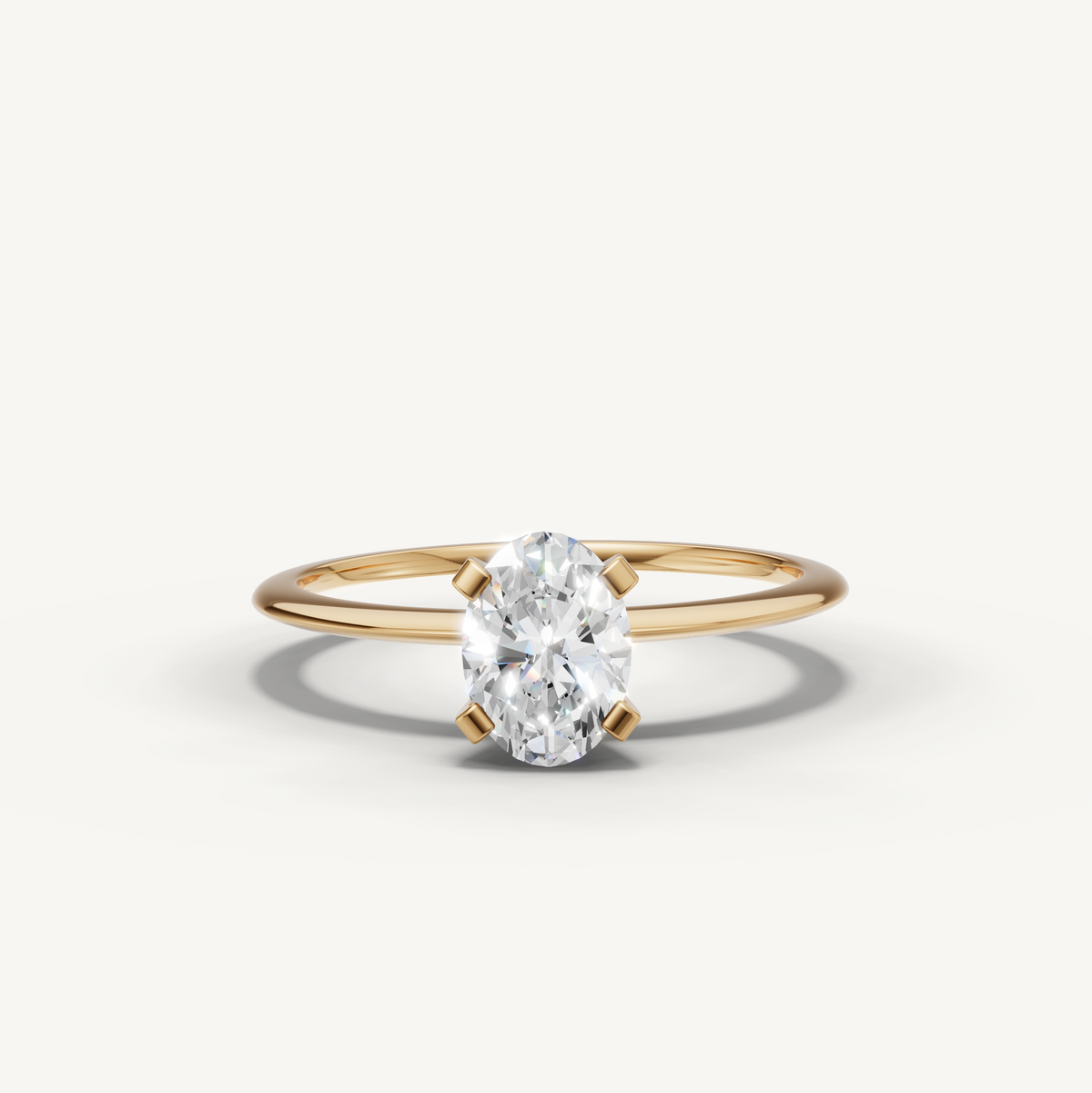
The short answer: Yes. A lab-grown diamond is a diamond, not a look-alike. It is pure carbon crystallized in the same cubic structure as a mined diamond, with the same hardness of 10, the same refractive index of 2.42 and the same fire. Only its origin differs, which is why US guidelines require it to be clearly described as laboratory-grown or laboratory-created.
Lab-grown diamonds have moved from novelty to the norm. In The Knot's 2026 Real Weddings Study, 61% of couples chose a lab-grown center stone, up from 52% a year earlier, as reported by IDEX. This guide explains what makes a lab-grown diamond a diamond, how it differs from moissanite and cubic zirconia, how gem labs confirm origin, and what to check before you buy.
- A lab-grown diamond has the same chemical, physical and optical properties as a mined diamond: crystallized carbon, 10 on the Mohs scale, refractive index 2.42.
- Moissanite (silicon carbide) and cubic zirconia (zirconium dioxide) are different materials that imitate the look of a diamond. They are not diamonds.
- Gem labs identify origin with spectroscopy and fluorescence imaging, then laser-inscribe the girdle and state "laboratory-grown" on the report.
- Lab-grown diamonds typically cost 50–70% less than a comparable mined diamond, and their resale value is low.
Is a lab-grown diamond a real diamond?
A lab-grown diamond is a diamond in every physical sense: same element, same crystal, same hardness, same light performance. The difference is where it formed, not what it is.
The Federal Trade Commission's Jewelry Guides define a diamond by its material, not its birthplace. Under 16 CFR Part 23, a diamond is essentially pure carbon crystallized in the isometric (cubic) system, with a hardness of 10, a specific gravity of about 3.52 and a refractive index of 2.42. A lab-grown diamond meets every part of that definition.
The same guides set the rule for how sellers describe it. A lab-grown diamond must be clearly disclosed as "laboratory-grown," "laboratory-created" or "[manufacturer name]-created," and the guides caution against calling a manufactured product "real," "genuine" or "natural." That is why careful jewelers, Raul Diamonds included, always say lab-grown diamond. The stone is a diamond; the label tells you how it began.
Search engines often frame this as "lab-grown diamonds vs real diamonds." The accurate comparison is lab-grown versus mined (also called natural). Both are diamonds. A simulant, such as cubic zirconia, is the thing that is not.
How are lab-grown diamonds made?
A lab-grown diamond starts as a thin diamond seed, and carbon atoms are added to it layer by layer under controlled conditions until a rough crystal forms. Two methods do this, CVD and HPHT.
CVD (chemical vapor deposition) fills a low-pressure chamber with a carbon-rich gas, usually methane mixed with hydrogen. Energy turns the gas into a plasma, and carbon settles onto the seed plates, building the crystal upward.
HPHT (high pressure, high temperature) recreates the conditions deep in the earth. A press squeezes a carbon source and a metal solvent around a seed at roughly 1,500 °C and pressures tens of thousands of times greater than the air around us, and diamond crystallizes on the seed.
Either way, the rough is then cut, polished and graded like any other diamond. Neither method produces a "better" diamond on its own; what matters is the finished stone's cut, color and clarity. For the full growing process, step by step, read our guide to what lab-grown diamonds are and how they grow.
Lab-grown vs natural vs simulants: what is the difference?
Lab-grown and natural diamonds are the same material with different origins. Moissanite and cubic zirconia are different materials altogether, made to resemble a diamond.
Moissanite is silicon carbide. It rates 9.25 on the Mohs scale and bends light more strongly than diamond, which gives it a rainbow-heavy flash. Cubic zirconia is zirconium dioxide, softer at about 8 to 8.5, and noticeably heavier than a diamond of the same size.
| Stone | Material | Hardness (Mohs) | How it is identified | Typical use |
|---|---|---|---|---|
| Lab-grown diamond | Crystallized carbon | 10 | Lab spectroscopy and fluorescence imaging; laser inscription and a report stating laboratory-grown | Engagement rings, wedding bands, fine jewelry |
| Natural (mined) diamond | Crystallized carbon | 10 | The same lab tests confirm natural origin | Engagement rings, heirlooms, fine jewelry |
| Moissanite | Silicon carbide | 9.25 | Doubled facet edges under a loupe; electrical conductivity tester | Engagement rings and fashion jewelry |
| Cubic zirconia | Zirconium dioxide | 8–8.5 | Fails a thermal diamond tester; heavier for its size; facet edges wear | Fashion jewelry, travel rings, try-on samples |
The practical difference shows up over years of wear. A diamond's facet edges stay crisp. A softer simulant collects fine scratches and rounded edges, and loses some of its life. If you want a stone for daily wear across decades, a diamond, lab-grown or mined, is the material built for it.
How do gem labs tell lab-grown from natural?
You cannot tell a lab-grown diamond from a mined one by eye, or even with a jeweler's loupe. Gem labs use specialist instruments that read the crystal's growth history.
Spectroscopy (infrared, ultraviolet-visible and photoluminescence) measures how the diamond absorbs and emits light, revealing trace elements such as nitrogen and the defects each growth process leaves behind. Fluorescence imaging under deep ultraviolet light shows growth patterns: mined, CVD and HPHT diamonds each grow in a recognizable way.
Once origin is confirmed, the lab marks it permanently. IGI inscribes lab-grown stones it grades with a microscopic laser inscription on the girdle, alongside the report number, and the report itself is titled as a laboratory-grown diamond report. GIA laser-inscribes the girdle of every lab-grown diamond it evaluates with the words "Laboratory-Grown." Our guide to your IGI report shows where each detail sits.
A standard thermal diamond tester, the handheld kind many jewelers keep at the counter, reads a lab-grown diamond as a diamond, because it conducts heat like one.
Why do lab-grown diamonds cost less?
Lab-grown diamonds typically cost 50–70% less than a comparable mined diamond because they are produced in weeks rather than mined from a limited natural supply.
Growth capacity has expanded quickly, and prices have fallen with it. De Beers closed its Lightbox lab-grown brand in 2025 and said it expects lab-grown prices to keep falling, according to National Jeweler. For a buyer, that means more size and higher grades for the same spend: a 2 ct center with E–F color and VVS clarity is within reach for many couples.
The honest trade-off is resale. A lab-grown diamond holds little value on the secondhand market, so choose it because you love wearing it, not as a store of value.
What should you check when buying a lab-grown diamond?
Check three things: an independent grading report for any center of 1.00 ct or more, the cut grade, and the return policy.
- The report. For a center of 1.00 ct and above, ask for an independent report and match its number to the girdle inscription. Raul Diamonds sets IGI-certified center diamonds, 1.00 ct and above, with GIA available on request for custom orders. Smaller accent stones are hand-selected lab-grown diamonds without individual reports. Our IGI vs GIA guide explains how the two labs differ.
- The cut grade. Cut drives sparkle more than any other grade. Look for Excellent or Ideal. Every Raul center diamond is Excellent or Ideal cut, E–F color and VVS1–VVS2 clarity.
- The disclosure. The listing should say lab-grown, laboratory-grown or laboratory-created next to the word diamond. Vague terms with no clear disclosure are a reason to ask questions.
- The return policy. Make sure you can see the ring in person and still change your mind. Raul pieces can be returned within 30 days of delivery, unworn, with a free prepaid insured label; custom, engraved and resized pieces are the exceptions. Read the full returns policy.
Our picks
- 1 Carat Oval Cut Lab Grown Diamond Solitaire Ring in 14K Yellow Gold: a clean oval solitaire that lets the IGI-certified center speak for itself.
- Round Brilliant Lab Grown Diamond Six-Prong Solitaire Ring in 14K Gold: the classic round brilliant, held by six prongs for security and maximum light.
- Oval Lab Grown Diamond Three Stone Engagement Ring with Pear Side Stones: an oval center framed by two pear side stones for a softer, romantic outline.
- 2ct Oval Lab-Grown Diamond Hidden Halo Engagement Ring in 14K Gold: a 2 ct oval with a hidden halo that adds sparkle from the side.
See every design in our lab-grown diamond engagement rings collection.
Questions
Is a lab-grown diamond a real diamond?
A lab-grown diamond is a diamond: crystallized carbon with the same hardness, refractive index and sparkle as a mined diamond. Only its origin differs. US guidelines require sellers to describe it clearly as laboratory-grown or laboratory-created.
Can a jeweler tell a lab-grown diamond from a mined one?
Not by eye or with a standard loupe. Origin is confirmed with lab instruments such as spectroscopy and ultraviolet fluorescence imaging. A graded lab-grown diamond also carries a laser inscription and a report that states its origin.
Is moissanite the same as a lab-grown diamond?
No. Moissanite is silicon carbide, a different material with a hardness of 9.25 and a more colorful, rainbow-like flash. A lab-grown diamond is pure carbon with a hardness of 10, identical in material to a mined diamond.
Do lab-grown diamonds get cloudy over time?
No. A lab-grown diamond is as durable and stable as a mined diamond and does not cloud or fade with normal wear. A dull look almost always comes from lotion and oil on the surface, and a gentle clean with warm water and mild soap restores it.
Will a lab-grown diamond pass a diamond tester?
Yes. Standard thermal testers read lab-grown diamonds as diamonds because they conduct heat the same way. Only advanced lab equipment can separate lab-grown from mined.
Are lab-grown diamonds worth buying?
For most couples, yes, if the goal is a beautiful diamond to wear for life. They typically cost 50–70% less than a comparable mined diamond, which allows a larger or higher-grade stone. Resale value is low, so buy for the ring, not as an investment.
Want to see the difference between a lab-grown diamond, moissanite and a mined stone before you decide? Our specialists can walk you through reports, shapes and grades side by side. Book a free consultation by video or phone, and we will help you choose with confidence.
More from the Journal.
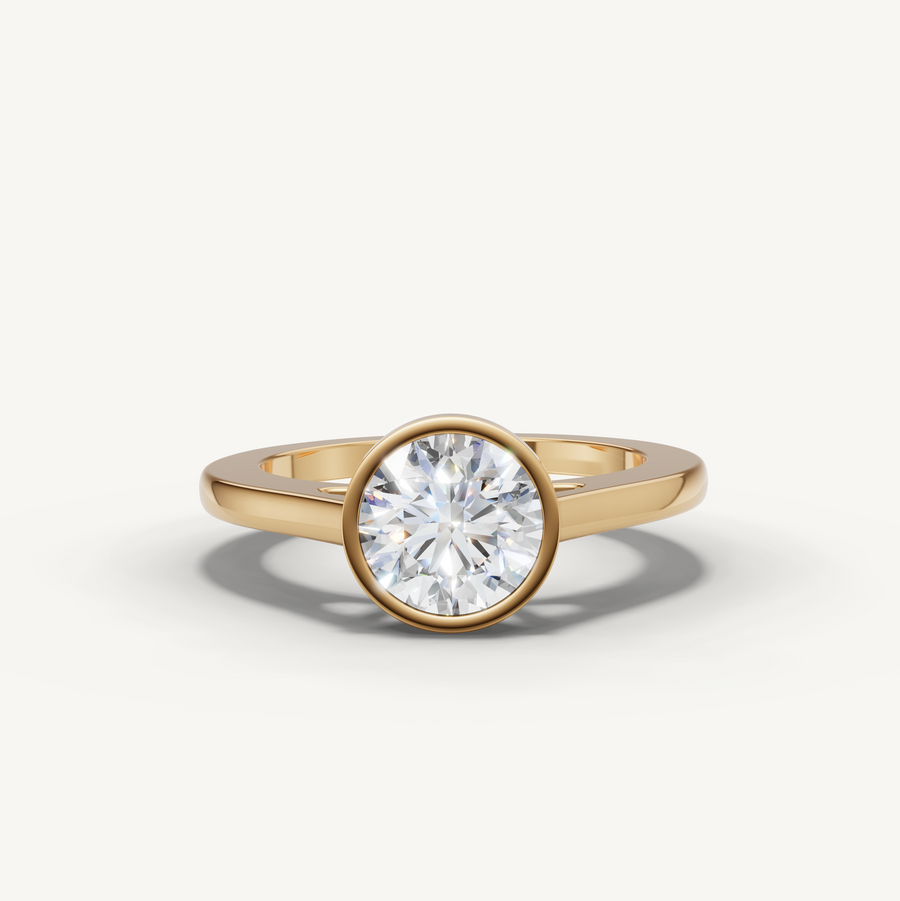
Bezel engagement rings: the modern setting, explained
A guide to bezel engagement rings: how the setting works, full versus half bezel, how it compares with prongs, which shapes suit it, and how it stacks with a wedding band.
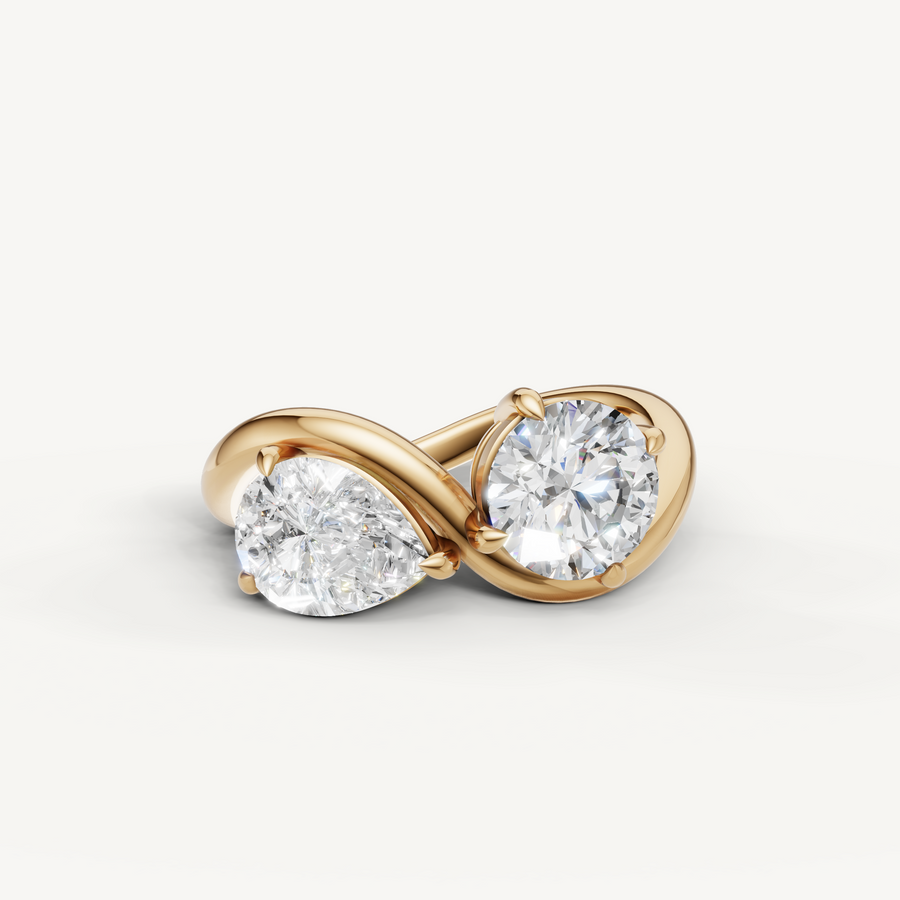
Toi et moi engagement rings: how to choose two stones that belong together
A guide to toi et moi engagement rings: the meaning, how to pair shapes and sizes, how carat weight is listed, and how a two stone ring wears with a wedding band.
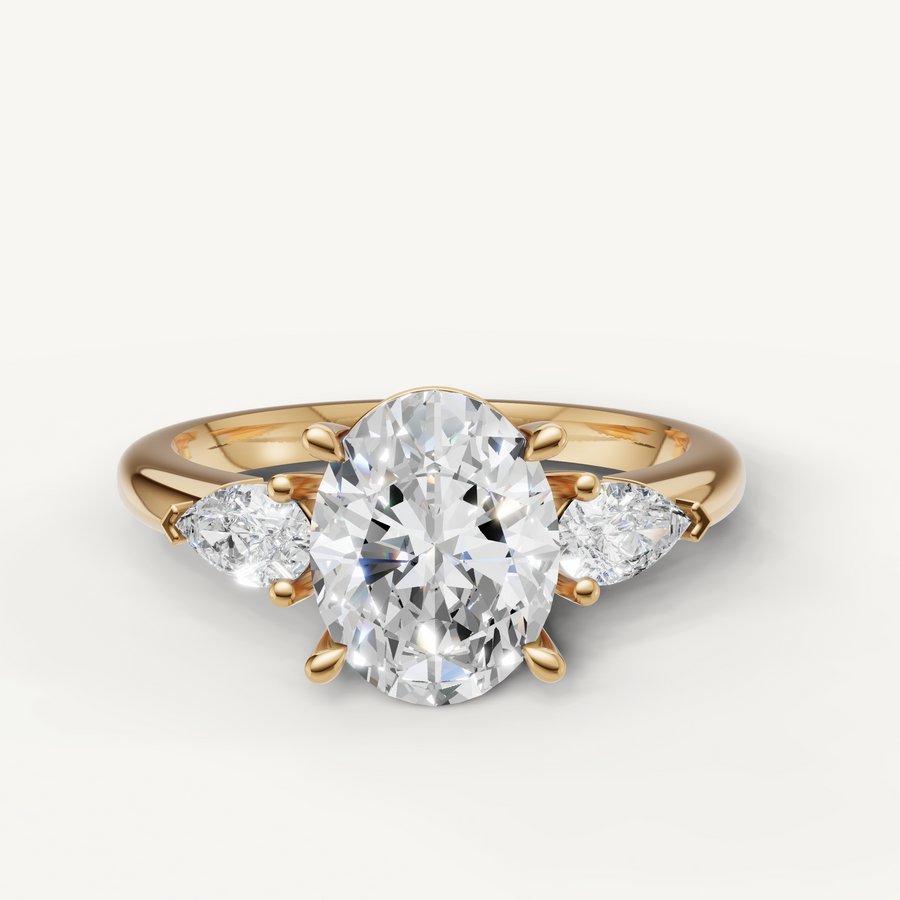
Christmas proposal ideas, and the ring timeline that makes them work
Twelve Christmas proposal ideas that feel personal, and a week-by-week timeline for ordering a made-to-order engagement ring in time for the holidays.
Talk it through with our team.
A free 30-minute video or phone consultation, at your pace.