


The Raul Journal· Diamond Education
Do lab-grown diamonds pass a diamond tester?
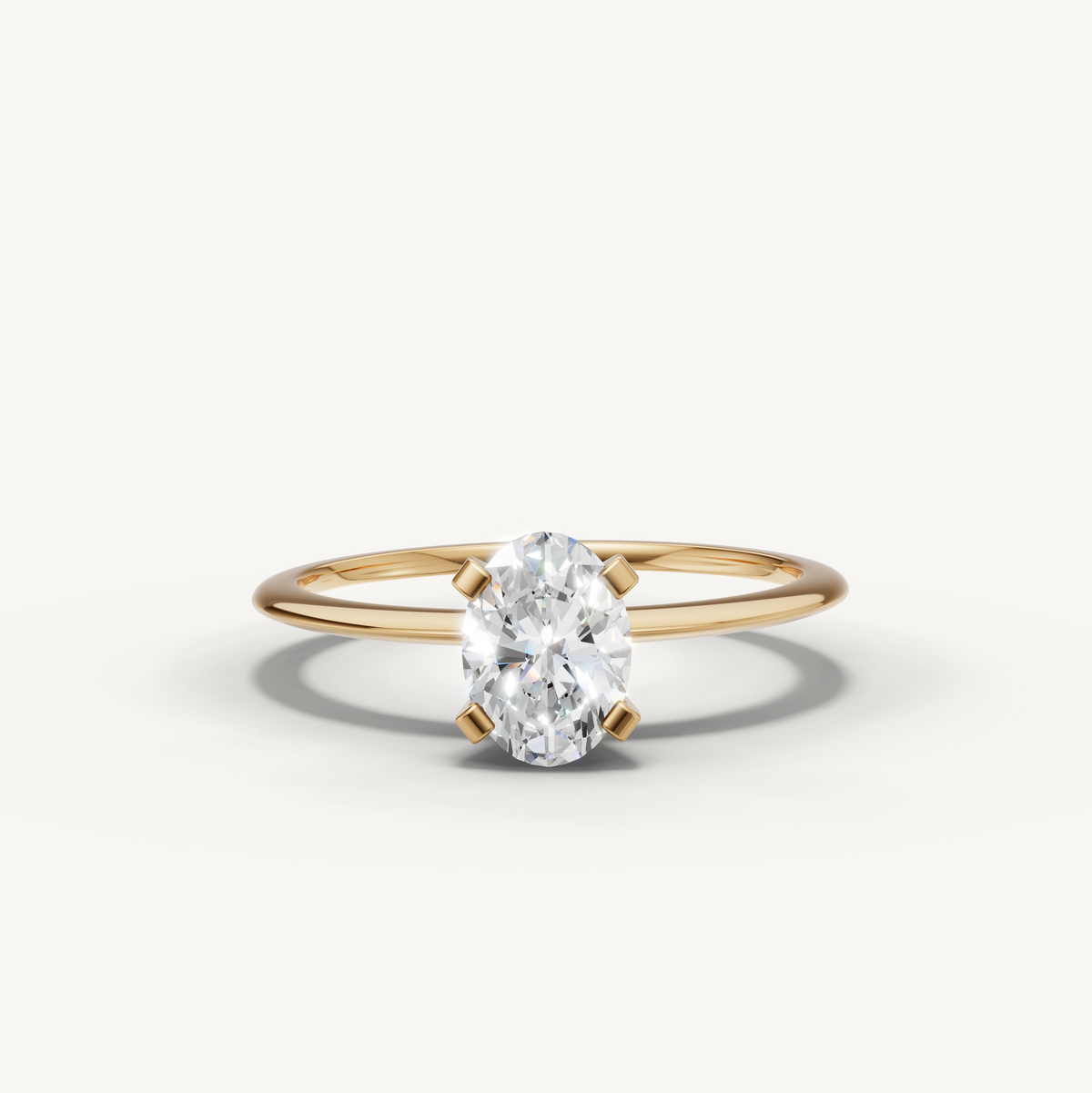
The short answer: Yes. A lab-grown diamond passes a standard diamond tester because it is diamond, with the same carbon crystal structure and the same high heat conductivity as a mined diamond. A tester cannot tell lab-grown from mined: that takes laboratory spectroscopy. To confirm a lab-grown diamond, check its grading report and the matching laser inscription on its girdle.
Handheld diamond testers are quick and useful, but they answer a narrow question: is this stone diamond or a look-alike? This guide explains how thermal and multi-testers work, why moissanite can fool a basic tester, why some lab-grown stones can confuse an electrical tester, and how to confirm exactly what you own.
- Lab-grown diamonds test as diamond on thermal testers because they are chemically and physically diamond.
- Moissanite conducts heat much like diamond, so a thermal-only tester can read it as diamond; multi-testers add an electrical check.
- No handheld tester can separate lab-grown from mined diamond; gem labs use spectroscopy and advanced imaging.
- The surest proof is a grading report whose number matches the laser inscription on the diamond's girdle.
Will a lab-grown diamond test as real?
Yes. A lab-grown diamond tests as diamond because it is a real diamond, made of crystallized carbon with the same hardness, optical properties and heat conductivity as a mined one.
The US Federal Trade Commission removed the word "natural" from its definition of diamond in 2018, recognizing that lab-grown diamonds are diamonds, as Rapaport reported. The FTC's Jewelry Guides call for a clear qualifier, such as "laboratory-grown" or "laboratory-created," so buyers always know what they are getting. For a fuller answer, read our post on whether lab-grown diamonds are real.
How does a diamond tester work?
A standard diamond tester measures how fast heat moves through a stone. Diamond conducts heat extremely well, far better than glass, cubic zirconia or most other gems.
The tester's metal tip warms slightly. When you press it against a facet, the stone draws heat away from the tip. A diamond pulls heat away quickly, and the tester signals diamond. A cubic zirconia (CZ) or glass stone holds heat, and the tester signals a simulant. A diamond simulant is any material made to look like diamond without being diamond.
A multi-tester adds a second check: electrical conductivity. A small current passes through the tip. Most colorless diamonds do not conduct electricity. Moissanite often does. Combining both readings lets the tester separate diamond from moissanite in most cases.
Why can moissanite fool a basic diamond tester?
Moissanite can fool a thermal-only tester because it conducts heat almost as well as diamond. On heat alone, the two can read the same.
Moissanite is silicon carbide, a different material from diamond. When it entered the jewelry market, GIA researchers found that the thermal probes then on the market reacted to synthetic moissanite as if it were diamond. Electrical testing was added to many testers in response. The same GIA study cautioned that electrical conductivity is a useful indicator, not proof on its own. A trained jeweler can also spot moissanite under magnification: it is doubly refractive, so facet edges look doubled through the stone. Diamond is singly refractive and does not show this.
Can a lab-grown diamond read as moissanite?
Occasionally, yes. Some lab-grown diamonds grown by the HPHT method (high pressure, high temperature) contain trace boron, and boron can make a diamond slightly electrically conductive. On a multi-tester, that conductivity can trigger a moissanite reading.
GIA research notes that HPHT lab-grown diamonds usually contain detectable boron. Diamonds with boron are classified as type IIb, and type IIb diamond behaves as a semiconductor. Some sellers also point to metallic inclusions from HPHT growth as a reason a stone can read oddly. The stone is still diamond. The tester is simply meeting a property it was not designed for. If a stone you trust reads as moissanite, do not panic. Check the report and inscription, and if needed, ask a gem lab to verify it.
Which testers detect what?
Each tool answers a different question. Only a gem lab can tell you whether a diamond is lab-grown or mined.
| Tester type | What it detects | Diamond (lab-grown or mined) | Moissanite | Cubic zirconia |
|---|---|---|---|---|
| Thermal tester | Heat conductivity | Reads as diamond | Often reads as diamond | Reads as simulant |
| Multi-tester (thermal + electrical) | Heat and electrical conductivity | Reads as diamond; some boron-bearing HPHT stones can read as moissanite | Usually reads as moissanite | Reads as simulant |
| Loupe or microscope | Doubling, inclusions, inscriptions | No facet doubling; inscription visible if present | Facet doubling visible | No doubling; often very clean |
| Gem lab spectroscopy | Growth origin and treatments | Identifies lab-grown or mined origin | Identifies moissanite | Identifies CZ |
Can a diamond tester tell lab-grown from mined?
No. A handheld tester cannot tell a lab-grown diamond from a mined diamond, because both conduct heat the same way and are the same material.
Separating them takes laboratory equipment and trained gemologists. Lab-grown diamonds are grown by one of two methods, HPHT or CVD (chemical vapor deposition), and each leaves its own subtle signature inside the crystal. Our guide to what lab-grown diamonds are explains both methods. Gem labs use spectroscopy, which reads how a diamond absorbs and emits light, along with fluorescence imaging that reveals growth patterns. These show the subtle differences left by how and where a diamond grew. Some advanced screening devices exist for the trade, but they are not the pen-style testers sold to the public. This is why disclosure and documentation matter so much: the paperwork carries the origin, not the tester.
How do you confirm a lab-grown diamond is genuine?
Match three things: the report, the inscription and the diamond's measurements. When all three line up, you know exactly which diamond you hold.
- Read the report. An IGI lab-grown report states that the stone is laboratory-grown and lists its carat, color, clarity, cut and measurements. Raul offers IGI-certified center diamonds, 1.00 ct and above, and GIA is available on request for custom orders. Our page on reading your IGI report explains each section.
- Find the laser inscription. The report number is typically laser-inscribed on the girdle, the thin outer edge of the diamond. It is invisible to the naked eye, but a jeweler's 10x loupe or microscope shows it.
- Verify online. Enter the report number at IGI's report verification page to see the lab's record and confirm it matches your paper or digital report.
Accent stones and centers under 1.00 ct are hand-selected lab-grown diamonds without individual reports. They still test as diamond on a thermal tester, because they are diamond.
Our picks
Each of these 1 ct solitaires shows off a single lab-grown center diamond with nothing to distract from it.
- 1 Carat Round Brilliant Lab Grown Diamond Solitaire Ring in 14K Yellow Gold: the round brilliant, cut for maximum sparkle.
- 1 Carat Oval Cut Lab Grown Diamond Solitaire Ring in 14K Yellow Gold: an elongated outline that faces up larger than a round of the same weight.
- 1 Carat Emerald Cut Lab Grown Diamond Solitaire Ring in 14K Gold: long step facets with a calm, mirror-like flash.
See every style in our solitaire engagement rings.
Questions
Do lab-grown diamonds pass a diamond tester?
Yes. Lab-grown diamonds pass standard thermal diamond testers because they are diamond, with the same heat conductivity as mined diamonds. A small number of boron-bearing HPHT lab-grown stones can read as moissanite on a multi-tester.
Can a jeweler tell if a diamond is lab-grown?
Not with a handheld tester or by eye alone. A jeweler can read the laser inscription and check the grading report, but confirming origin without a report requires laboratory spectroscopy at a gem lab.
Will moissanite pass a diamond tester?
Moissanite can pass a thermal-only tester because it conducts heat much like diamond. A multi-tester that also measures electrical conductivity usually identifies it as moissanite, and doubled facet edges under a loupe confirm it.
Why did my lab-grown diamond test as moissanite?
Some HPHT lab-grown diamonds contain trace boron, which makes them slightly electrically conductive and can trigger a moissanite reading on a multi-tester. Check the report and laser inscription, or ask a gem lab to verify the stone.
Does cubic zirconia pass a diamond tester?
No. Cubic zirconia holds heat rather than conducting it away quickly, so a thermal diamond tester reads it as a simulant.
How do I verify an IGI lab-grown diamond report?
Enter the report number on IGI's online verification page and compare the record with your report. Then look for the same number laser-inscribed on the diamond's girdle with a 10x loupe.
The real assurance is not a beep from a tester. It is a report you can verify and a diamond you can match to it. Book a free consultation by video or phone, and a Raul Diamonds specialist will walk you through an IGI report and the diamond behind it.
More from the Journal.
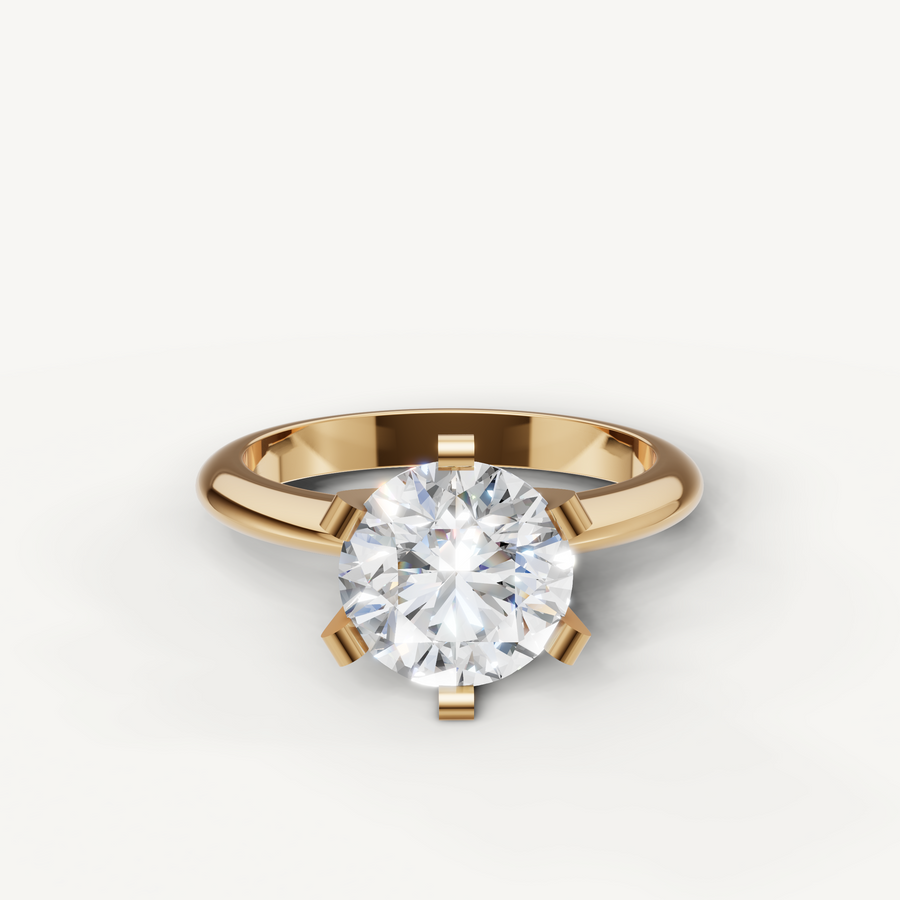
Solitaire engagement rings: choosing the shape, prongs and band
A practical guide to the solitaire engagement ring: how shape, prongs, setting height, band width, carat size and metal color change the way one center diamond looks on the hand.
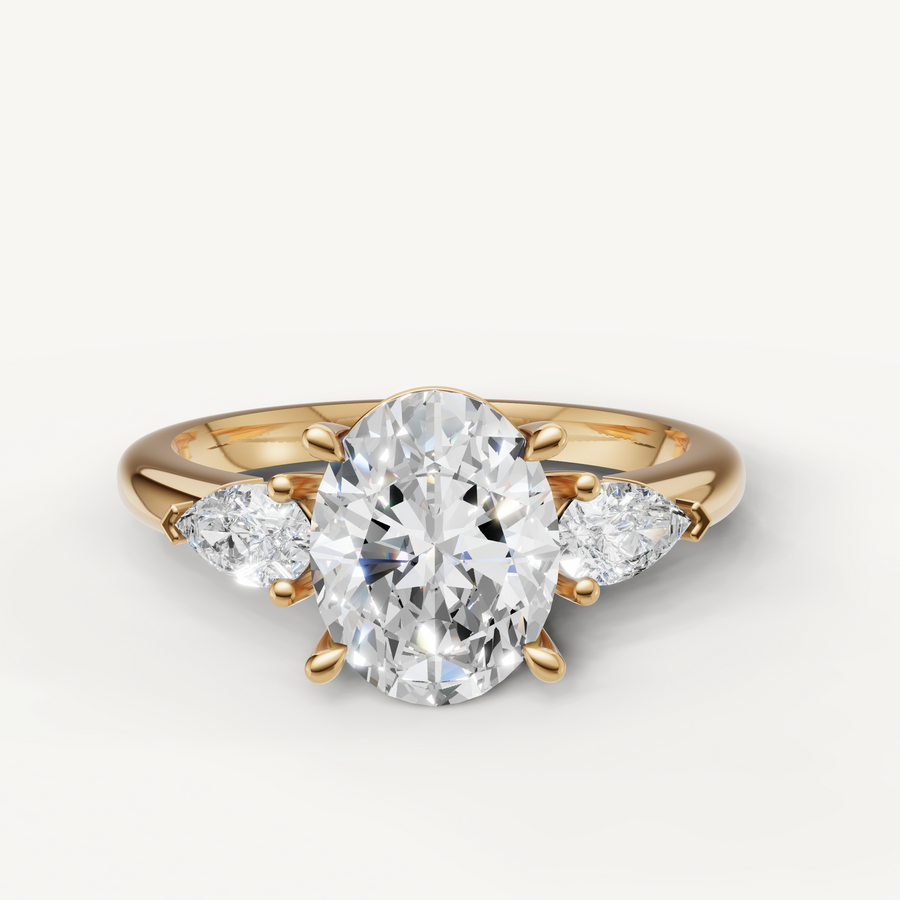
Engagement ring insurance: how it works and what to ask
A neutral, US-focused guide to engagement ring insurance: how homeowners sublimits, scheduled riders and standalone jewelry policies differ, what key terms mean, which documents to keep and which questions to ask.
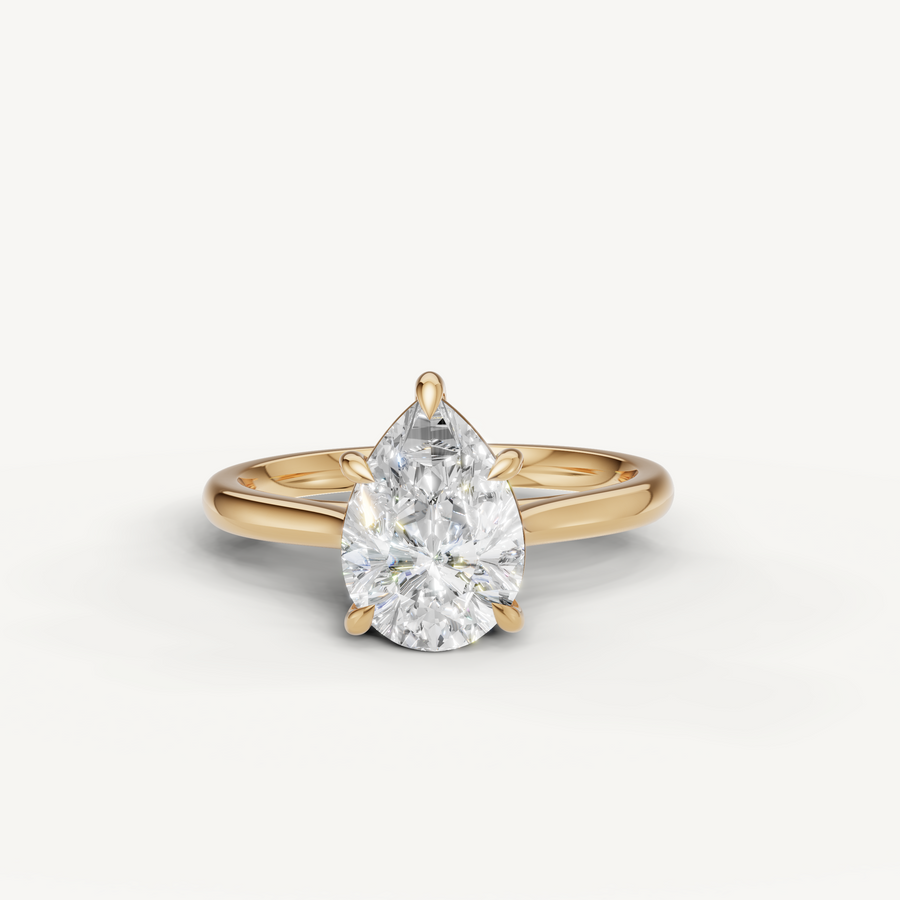
Pear engagement rings: how to choose the shape, ratio and setting
A practical guide to pear-shaped engagement rings: how to judge symmetry and the bow-tie, which length-to-width ratio suits your hand, which way to wear the point, and the settings and bands that...
Talk it through with our team.
A free 30-minute video or phone consultation, at your pace.