


The Raul Journal· Engagement Rings
Best Lab-Grown Diamond Engagement Rings 2026: Ranked
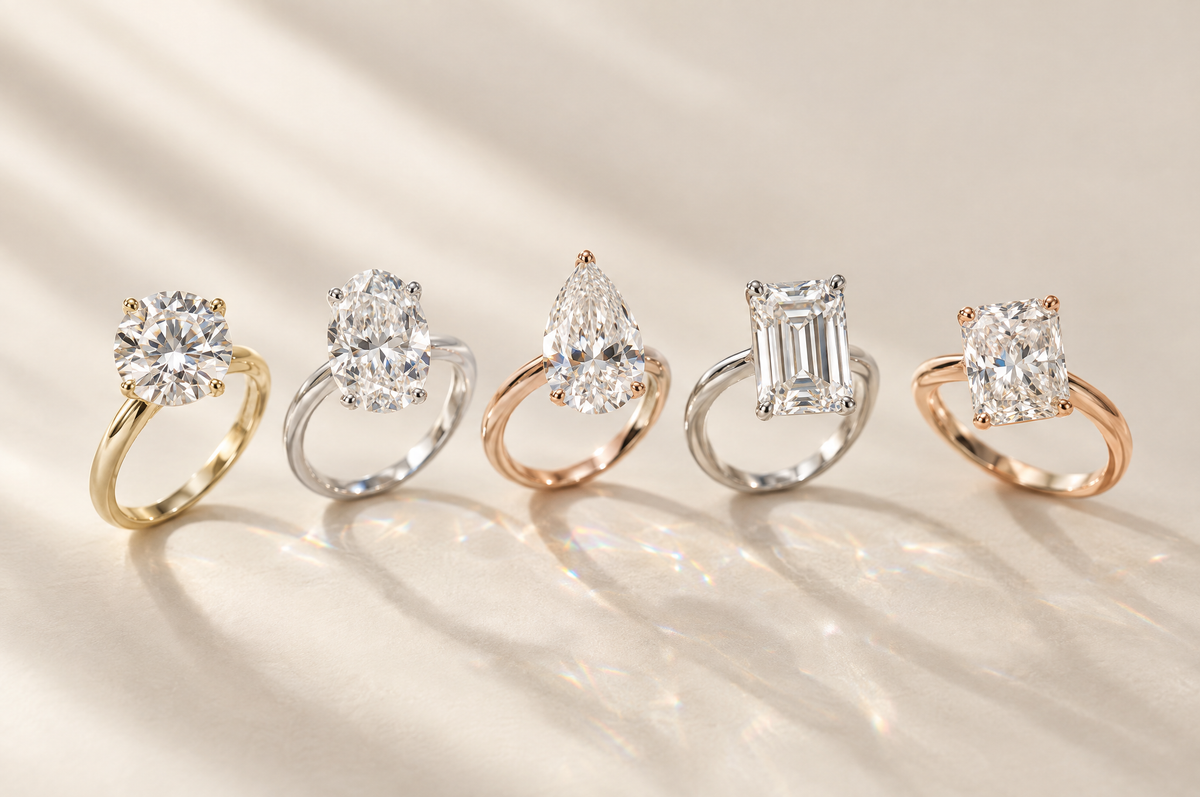
The short answer: The best lab-grown diamond engagement ring depends on what you value most: sparkle, presence or meaning. For classic brilliance, choose a round brilliant with a pavé band. For a bigger look, choose an oval with a hidden halo. For symbolism, choose a three-stone ring. Whatever you choose, insist on an independent grading report and a well-cut center stone.
Best overall: the Round Brilliant Lab Grown Diamond Pavé Engagement Ring.Best for a bigger look: the 2ct Oval Lab-Grown Diamond Hidden Halo Engagement Ring.Best minimalist everyday pick: the Round Brilliant Lab Grown Diamond Engagement Ring with Tapered Pavé Band. Below, we rank six of our lab-grown diamond engagement rings by cut, setting security and value.
Why this matters
Lab-grown diamonds are real diamonds, with the same chemical, physical and optical properties as mined diamonds. The difference is origin, not composition. They typically cost 50–70% less than mined diamonds of the same grade, which is why the setting you choose deserves as much thought as the stone. Learn more in what are lab-grown diamonds.
Not every setting makes equally good use of that value. A hidden halo or three-stone layout changes how large a stone reads on the hand; a tapered band changes how the ring feels day to day. In our collection at the time of writing (October 2026), our 398 engagement rings start from $750, the median starting price is $1,640, and 380 of them start under $3,000. For more on what drives price, read our lab-grown diamond ring cost guide.
What makes the best lab-grown diamond engagement ring
- Certification: an independent report for the center stone itself. Every Raul center diamond ships with an independent IGI report.
- Cut quality: brilliance matters more than raw carat weight. Every Raul center diamond is Excellent or Ideal cut, E–F color and VVS1–VVS2 clarity.
- Setting security: prongs and metal that hold up to daily wear.
- Design fit: solitaire, halo or three-stone should match how the wearer lives and dresses.
- Made-to-order fit: sizing and metal options that do not force a compromise.
- Value per visible carat: how large the ring looks against what it costs.
At a glance
| Ring | Best for | Standout feature | Key limitation |
|---|---|---|---|
| Round Brilliant Pavé Engagement Ring | Best overall | Pavé band adds sparkle around the center | The most familiar shape, so it reads classic rather than distinctive |
| 2ct Oval Hidden Halo Engagement Ring | A bigger look | Hidden halo adds side sparkle and presence | Ovals can show a bow-tie if poorly cut |
| Oval Three Stone Ring with Pear Side Stones | Symbolism | Three stones, often said to mean past, present and future | More settings to check over time |
| Pear Shaped Hidden Halo Engagement Ring | Pear-shape lovers | Lengthening silhouette plus side sparkle | The point needs a protective V-prong |
| Radiant Cut Engagement Ring with Pavé Band | Clean lines with sparkle | Trimmed corners with brilliant faceting | Geometric look may feel structured if you love soft curves |
| Round Brilliant Ring with Tapered Pavé Band | Minimalist everyday wear | Tapered band feels light on the hand | Less side sparkle than halo styles |
1. Round brilliant pavé: best lab-grown diamond engagement ring overall
The Round Brilliant Lab Grown Diamond Pavé Engagement Ring in 14K Gold pairs a round brilliant center with a pavé band. The round brilliant is faceted to return light in many small, even flashes, which makes it the safest choice for maximum sparkle with no surprises.
Pros:
- Bright, even sparkle from the round brilliant's faceting
- The pavé band adds sparkle without pulling focus from the center
- Crafted in 14K or 18K gold for everyday wear
Cons:
- The most familiar shape, so it reads classic rather than distinctive
- Pavé settings benefit from periodic prong checks
Pricing: from $1,270 at the time of writing (October 2026).
Best for: buyers who want the classic, no-second-guessing choice. Verdict: Buy.
2. 2ct oval hidden halo: best for a bigger look
The 2ct Oval Lab-Grown Diamond Hidden Halo Engagement Ring tucks a row of small diamonds beneath the center stone. They are hidden from above but visible in profile and in photos. The oval itself lengthens the finger and can look larger face-up than a round of the same carat weight.
Pros:
- Side sparkle without changing the top-down silhouette
- The oval's length flatters the hand
- A strong look for engagement photos
Cons:
- Ovals can show a bow-tie effect if the cut is poor; look at the stone in motion
- Hidden halo construction costs more than a plain solitaire setting
Pricing: from $1,438 at the time of writing (October 2026).
Best for: shoppers who want maximum presence for the budget. Verdict: Buy.
3. Oval three-stone with pear side stones: best for built-in symbolism
The Oval Lab Grown Diamond Three Stone Engagement Ring with Pear Side Stones pairs an oval center with pear-shaped side stones. Three-stone rings are often said to symbolize past, present and future, which is why couples choose them when they want the ring to carry meaning.
Pros:
- Three-stone symbolism many couples love
- Pear side stones frame and lengthen the oval center
- A distinct silhouette compared with a solitaire
Cons:
- More settings to check for wear over the years
- Resizing is more involved than with a single-stone ring
Pricing: from $1,491 at the time of writing (October 2026).
Best for: couples who want a design story, not just a center stone. Verdict: Buy.
4. Pear shaped hidden halo: best for buyers set on a pear
The Pear Shaped Lab Grown Diamond Hidden Halo Engagement Ring pairs one of the most lengthening shapes with a hidden halo that adds presence and side sparkle without changing the visible outline.
Pros:
- The pear's teardrop outline lengthens the finger
- Hidden halo adds sparkle and presence from the side
- Distinctive without feeling unusual
Cons:
- The point needs a V-prong to protect it
- Pears can show a bow-tie effect if poorly cut
Pricing: from $1,441 at the time of writing (October 2026).
Best for: buyers who already know they want a pear. Verdict: Buy.
5. Radiant cut with pavé band: best for clean lines with sparkle
A radiant combines a square or rectangular outline and trimmed corners with brilliant-style faceting, so it sparkles more busily than a step-cut emerald or Asscher. Our Radiant Cut Lab Grown Diamond Engagement Ring with Pavé Band adds a line of small diamonds along the band.
Pros:
- Brilliant-style sparkle in a geometric outline
- Trimmed corners avoid the sharp points of a princess cut
- The pavé band complements the stone instead of competing with it
Cons:
- The structured look may not suit someone who loves soft curves
- Square and elongated radiants look very different, so confirm the ratio before you order
Pricing: from $1,340 at the time of writing (October 2026).
Best for: buyers who want visible structure over a soft round outline. Verdict: Buy.
6. Round brilliant with tapered pavé band: best minimalist, everyday pick
The Round Brilliant Lab Grown Diamond Engagement Ring with Tapered Pavé Band has a tapered band that feels lighter and more delicate on the hand than a uniform band.
Pros:
- A tapered band feels light and low-key for daily wear
- A round center works with almost any wedding band
- Fewer settings than a three-stone or hidden halo design
Cons:
- Less side sparkle than the halo styles above
- Reads traditional rather than distinctive
Pricing: from $1,513 at the time of writing (October 2026).
Best for: buyers who want a ring that simply belongs on the hand. Verdict: Buy.
More lab-grown diamond rings to compare
- Princess Cut Lab Grown Diamond Engagement Ring with Channel Band: crisp corners and a channel-set band; from $2,231 at the time of writing.
- Round Brilliant Lab Grown Diamond Petal Solitaire Ring with Hidden Halo: a soft, floral take on the hidden halo; from $1,394 at the time of writing.
- Round Brilliant Lab Grown Diamond Six-Prong Solitaire Ring: six prongs for a rounder silhouette; from $1,853 at the time of writing.
- Cushion-Cut Lab-Grown Diamond Bridal Set with Marquise Cluster Band: an engagement ring and matching band together; from $2,520 at the time of writing.
How this list was ranked
We measured each ring against the same six criteria: certification, cut quality, setting security, design fit, made-to-order sizing and value per visible carat. No ring wins on every point, which is why we rank rather than name a single winner.
The right lab-grown diamond engagement ring is the one whose trade-offs you can live with happily. A ring with no trade-offs does not exist.
Which lab-grown diamond engagement ring should you choose?
For the safest, most universally loved choice, choose the Round Brilliant Pavé Engagement Ring. For a bigger look, the 2ct Oval Hidden Halo is the stronger pick. If easy daily wear matters more than side sparkle, choose the tapered pavé band. All six are made to order and crafted in 2–3 weeks, so cut and setting, not sizing, are the deciding factors.
Questions
What is the best lab-grown diamond engagement ring?
For most people, the Round Brilliant Lab Grown Diamond Pavé Engagement Ring, because a well-cut round brilliant gives the brightest, most even sparkle. For a bigger look at a similar budget, the 2ct Oval Hidden Halo is the stronger choice.
Are lab-grown diamonds real diamonds?
Yes. Lab-grown diamonds have the same chemical, physical and optical properties as mined diamonds. The difference is origin: one forms in the earth, the other is grown in a lab.
How much does a lab-grown diamond engagement ring cost with Raul Diamonds?
In our collection at the time of writing (October 2026), engagement rings start from $750 and the median starting price is $1,640. The final price depends on carat weight, metal and setting.
Is IGI as reliable as GIA for lab-grown diamonds?
Both are independent labs. Every Raul center diamond ships with an IGI report, which grades the full 4Cs. Since 2025, GIA describes lab-grown diamonds as "premium" or "standard" rather than giving D–Z color and FL–I clarity grades. Our IGI vs GIA guide explains the difference.
Do lab-grown diamonds hold their resale value?
Not reliably. Resale value for lab-grown diamonds is limited, so buy for the ring you will love wearing, not as an investment.
What ring style makes a smaller carat look bigger?
A hidden halo under an oval or pear center adds presence and side sparkle without changing the visible carat weight on top. Oval and pear shapes also lengthen the finger.
Keep exploring
- The 4Cs of diamonds
- The Raul Standard
- All engagement rings
- Wedding bands, including the Alternating Baguette and Round Lab Grown Diamond Wedding Band and the Two-Row Micro-Pavé Lab-Grown Diamond Eternity Band
If you would like help narrowing it down, book a free 30-minute consultation by video or phone. We will walk you through shapes, settings and metals until one feels right.
More from the Journal.
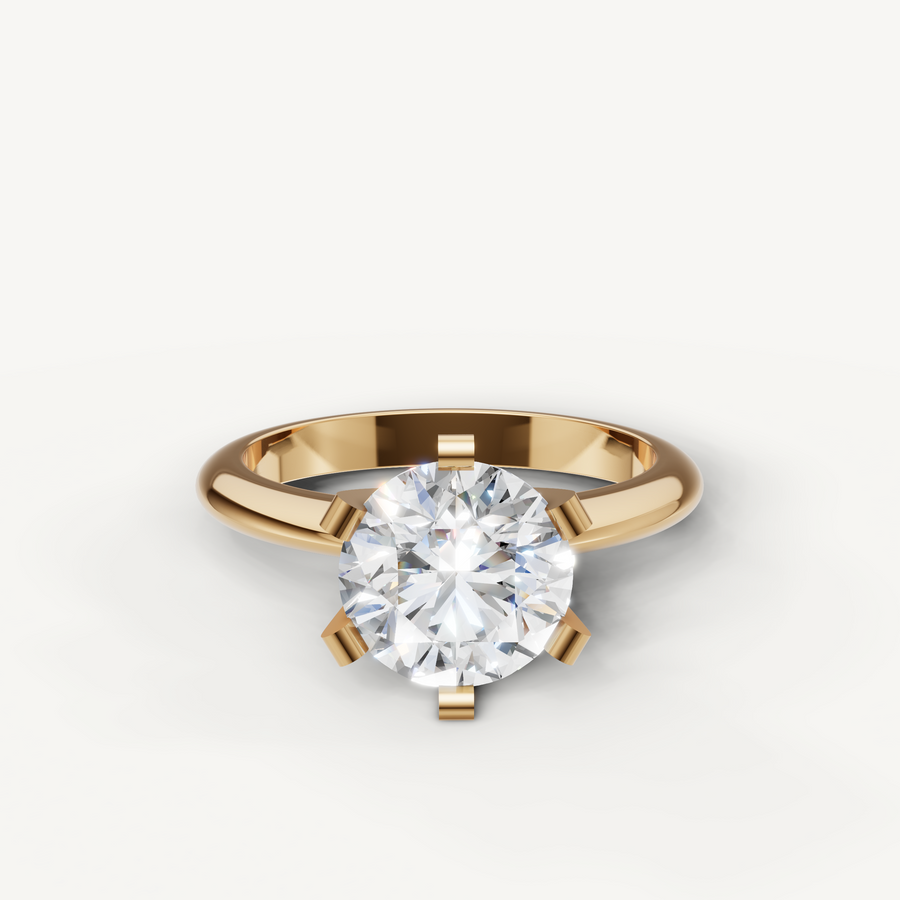
Solitaire engagement rings: choosing the shape, prongs and band
A practical guide to the solitaire engagement ring: how shape, prongs, setting height, band width, carat size and metal color change the way one center diamond looks on the hand.
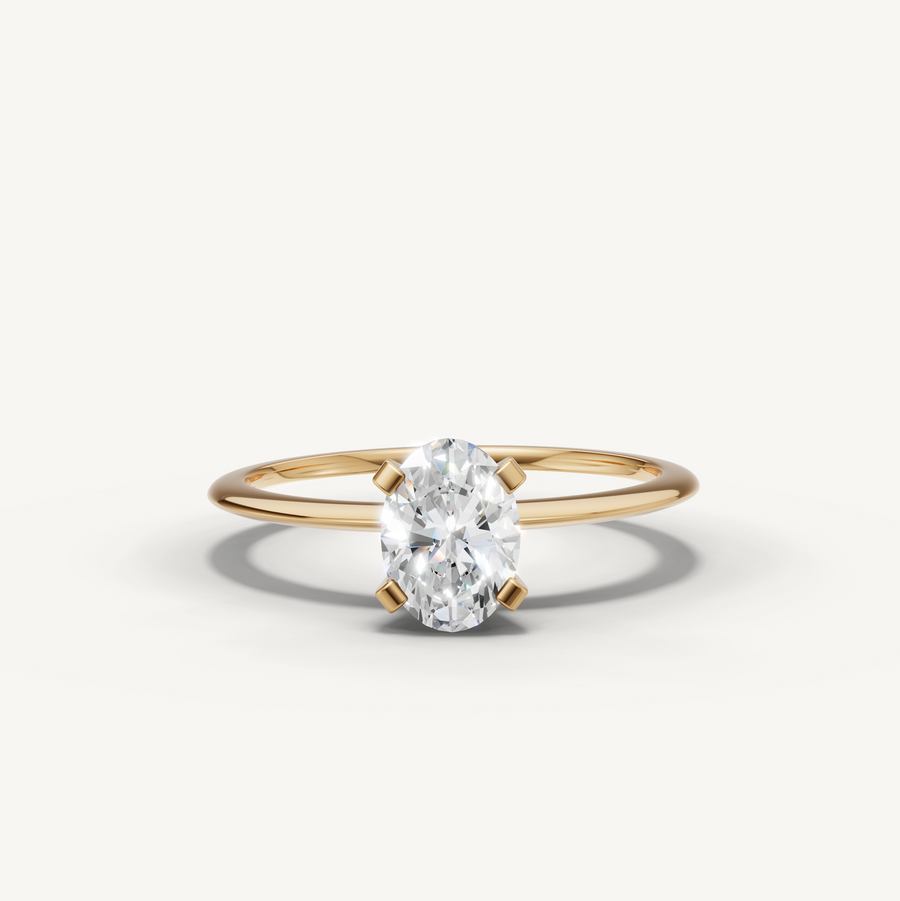
Do lab-grown diamonds pass a diamond tester?
Lab-grown diamonds pass standard diamond testers because they are diamond. This guide explains how testers work, why moissanite and some HPHT stones can confuse them, and how to confirm a lab-grown diamond...
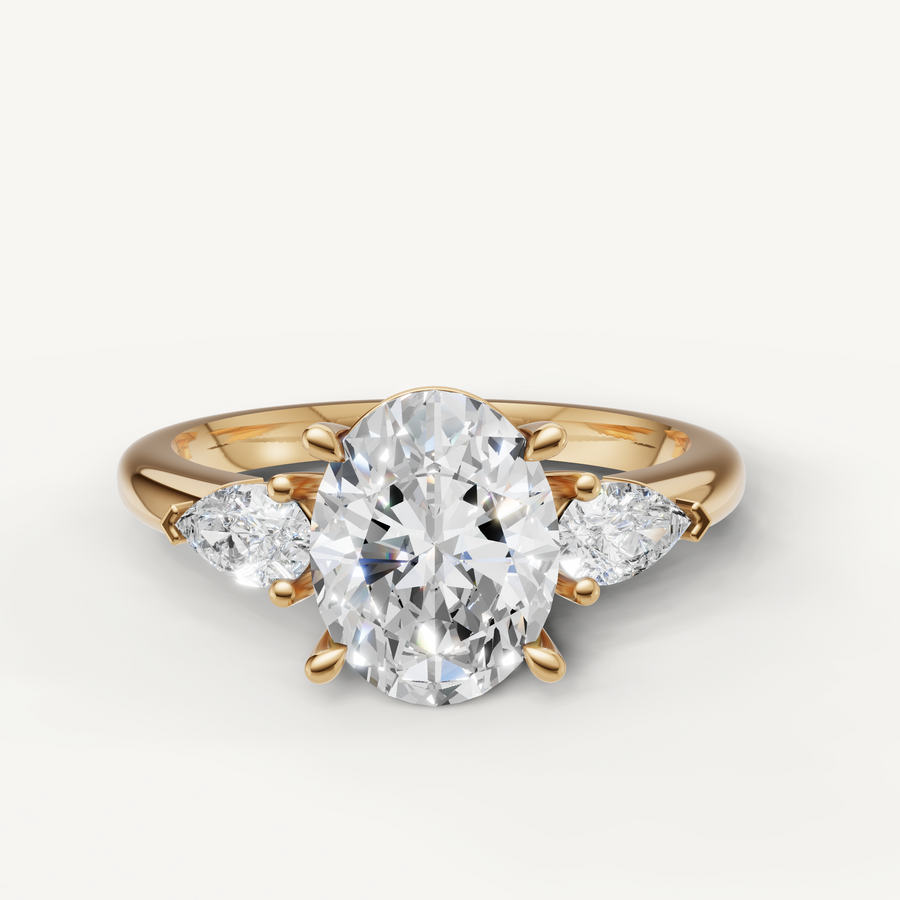
Engagement ring insurance: how it works and what to ask
A neutral, US-focused guide to engagement ring insurance: how homeowners sublimits, scheduled riders and standalone jewelry policies differ, what key terms mean, which documents to keep and which questions to ask.
Talk it through with our team.
A free 30-minute video or phone consultation, at your pace.